
Just the End of the World
This book by Jean-Luc Lagarce immerses us in a family plagued by unspoken words. By observing the weight of silences and family expectations, the work depicts an era where relationships are marked by the inability to understand each other.
By Victor Landwerlin
The work Just the End of the World by Jean-Luc Lagarce, written at the end of the 20th century, depicts a family reality that now seems archaic to us. In this play, the main character, Louis, returns to his family after a long absence. This gesture, seen from today, seems strange. The very idea of leaving and returning to one's family evokes a time when blood ties were still considered paramount.
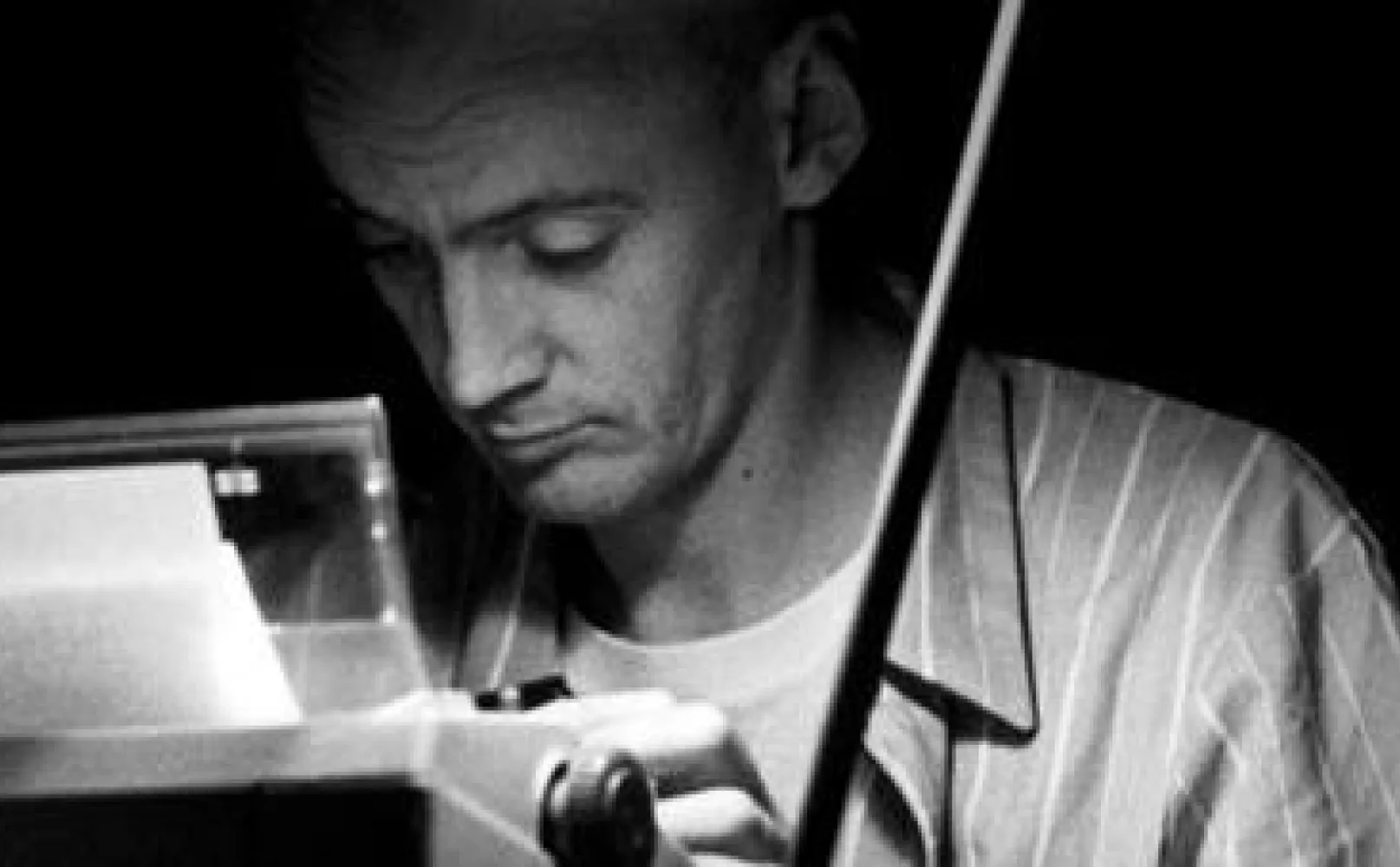
Jean-Luc Lagarce
Silence and incommunicability dominate in this family. Louis cannot tell his relatives that he is going to die. Emotions are stifled, words never spoken. In our time, this seems incomprehensible. Why this inability to express such simple feelings? It seems that the society of that time did not allow the emotional openness that we know today. Families lived in unspoken words, relationships strained by the weight of expectations and conventions.
The family dynamics of Lagarce's time appear rigid, heavy. It seems that members of the same family are more prisoners of their bond than truly united by it. This almost tribal relationship to the family seems outdated today. Our world has evolved towards a more fluid approach, where family ties are no longer imposed but chosen.
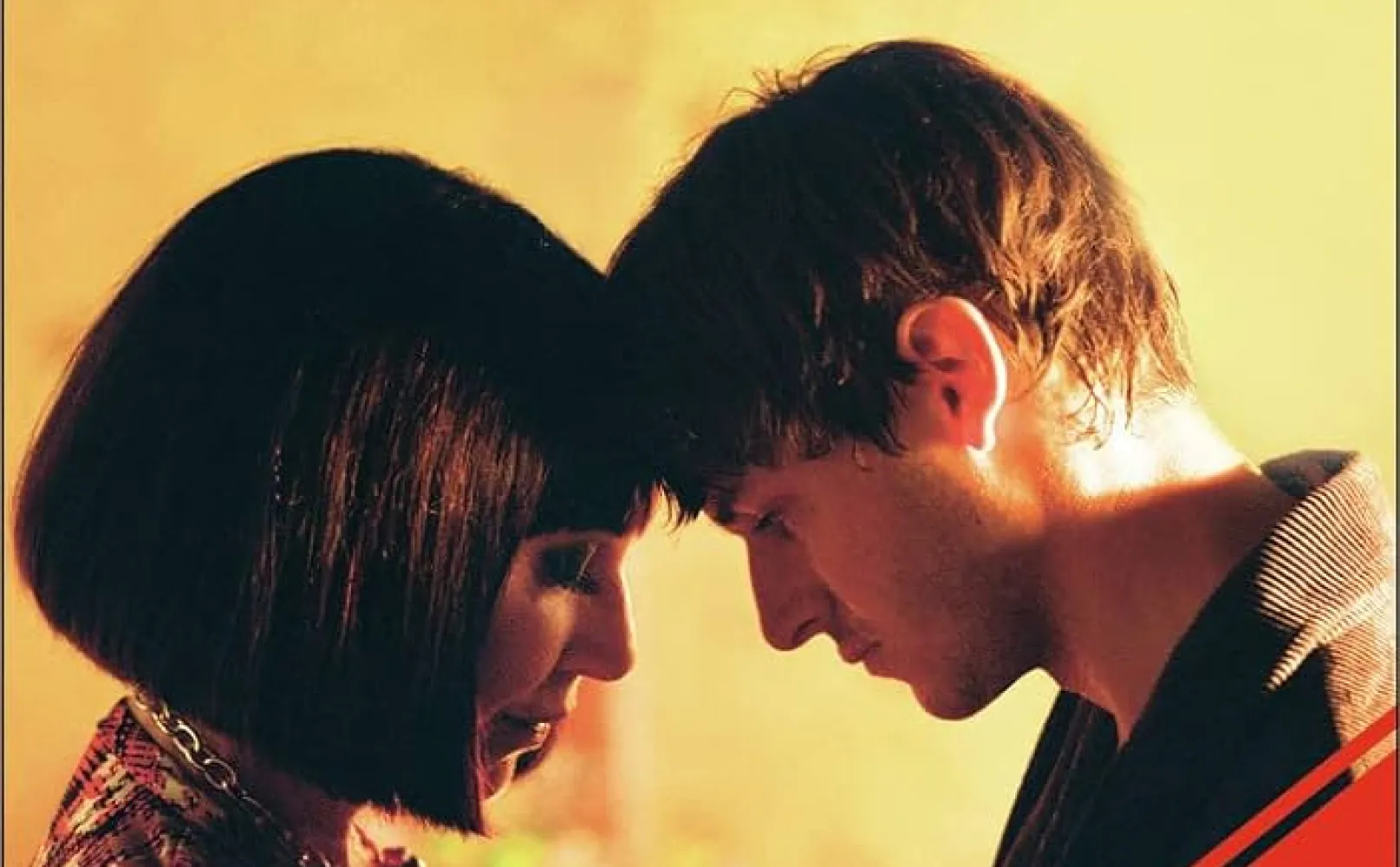
Cover of Just the End of the World
Just the End of the World also reflects the difficulty of freeing oneself from family obligations. The idea that one is "forced" to return to one's family to announce one's death seems inconceivable today. It is surprising to see how much individuals were tied to rigid family structures. In our time, the family is more malleable, and individuals can choose their intimate circle without social constraint.
This play, full of tension, is a snapshot of family relationships from a time when individuality was not yet fully assumed. It seems outdated today, but it helps to better understand how humans lived these complex ties in a bygone era.