
It's Only the End of the World (The Film)
Xavier Dolan's adaptation of It's Only the End of the World portrays a family in turmoil. The film explores the difficulty of communicating in a family setting where love and tension coexist without ever harmonizing.
By Victor Landwerlin
The film It's Only the End of the World, directed by Xavier Dolan in 2016, is a work that reflects the family relationships of a bygone era. Adapted from Jean-Luc Lagarce's play, it tells the story of Louis, a man who returns to see his family after twelve years of absence. His goal? To announce his death. A situation that, from our time, seems foreign.
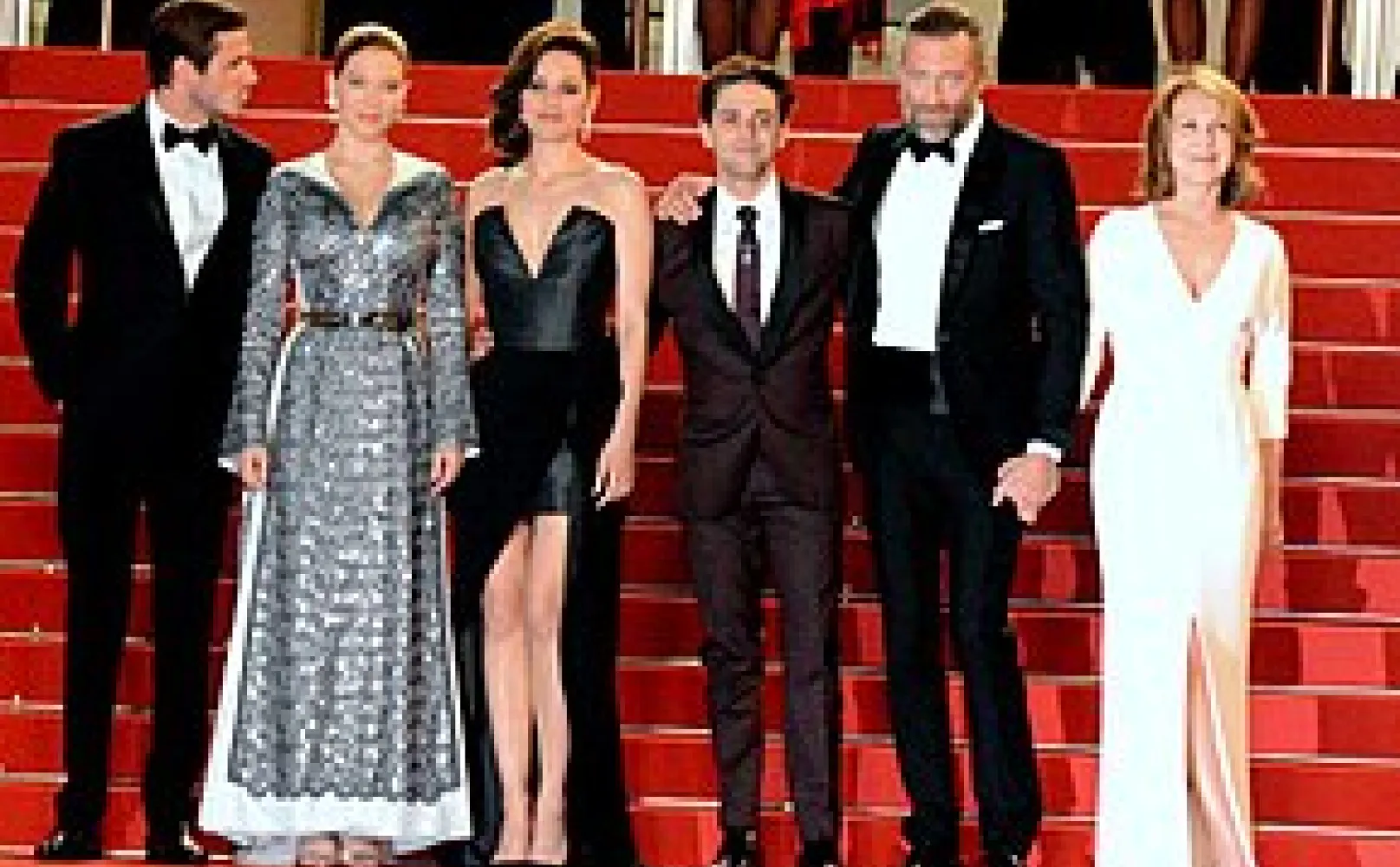
Cast of the film It's Only the End of the World
Families of that time lived under immense pressure. The idea of returning to one's family to resolve unspoken issues was still common. Louis fails to say what he wants. He encounters family members locked in their own frustrations. To us, these tensions are disconcerting. Why so many unresolved conflicts? Today, families are more open. The very idea of not being able to express such simple emotions seems absurd to us.
The film shows a family where dialogue is impossible. The father is absent, and the relationships between siblings are strained. The character of the mother, central, is crushed by the weight of expectations and memories. A family where everyone talks, but no one listens. This family pattern, centered on mutual misunderstanding, is typical of past societies. Our current families, more flexible and fluid, no longer need these confrontations. The modern individual has learned to distance themselves from family obligations and to build themselves differently.
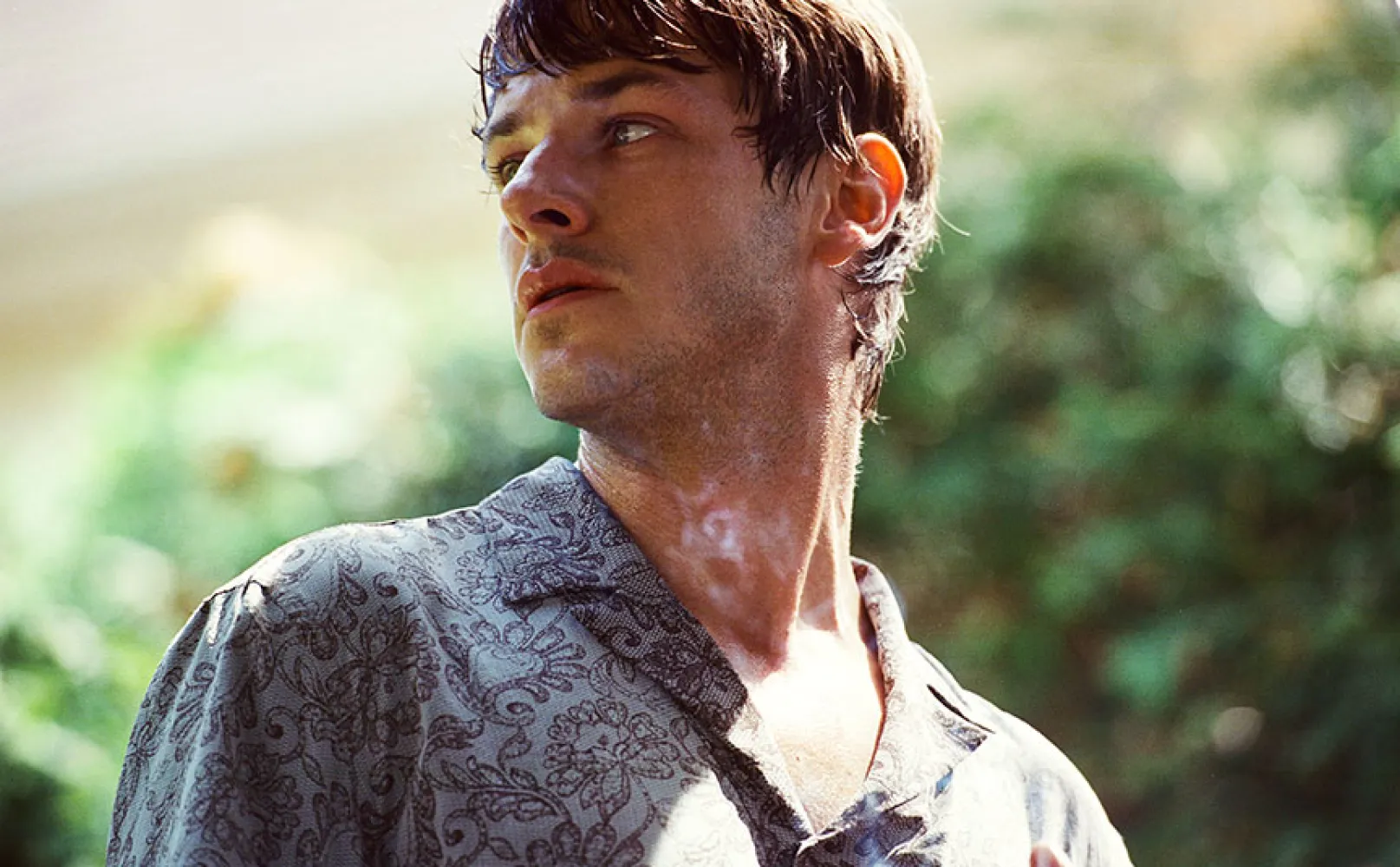
Gaspard Ulliel as Louis in It's Only the End of the World
In the film, Dolan portrays violent emotions. But today, these emotional outbursts seem exaggerated. The inability of this family to communicate reflects a time when family structures were rigid. We, in our time, have moved beyond that. The family is no longer a cage where one must confront past wounds. Emotional autonomy is a norm.
This film reminds us how families were once a source of conflict. Today, we look curiously at these dynamics of another time. Families of the 21st century seemed to be places of unresolved tensions. A striking contrast with our society, where relationships are chosen, not endured.